
For Law, Accounting & Healthcare Practices
Free AI Risk Review
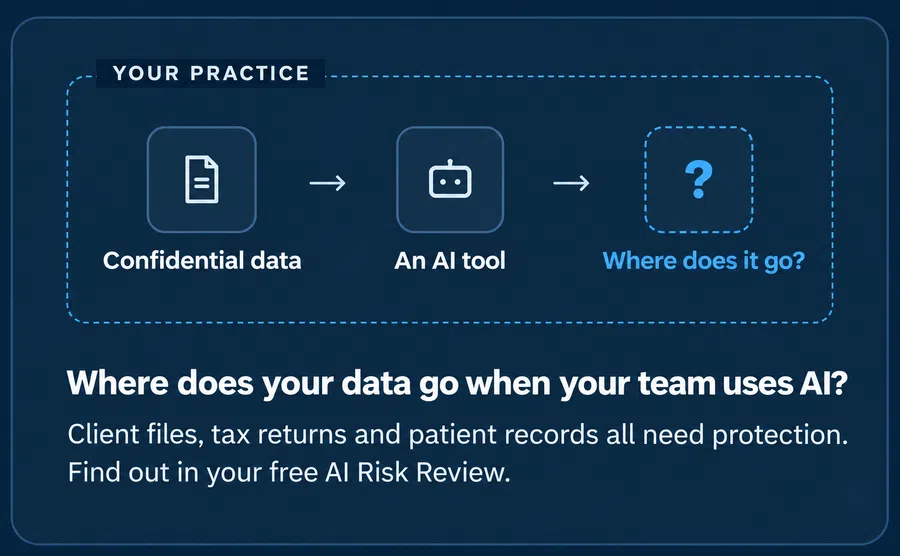
Know where your data goes before AI gets it.
Some AI tools store what your team enters or use it to train their models.
In a free 30-minute AI Risk Review, Brian Butterfield, CISSP, helps you understand how your tools handle client and patient information, where risks may exist, and what to do next.
Book your free AI Risk Review CISSP led · Confidential · No obligation
The standard
Your profession already expects you to know how your AI tools handle data.
Law: ABA Opinion 512 and Florida Bar Opinion 24-1 call for understanding how AI stores and shares client information.
Accounting: The FTC Safeguards Rule requires covered tax and financial firms to keep a written security plan. AI tools handling client data belong in that plan.
Healthcare: HIPAA generally requires a business associate agreement with cloud AI providers handling protected health information on a practice's behalf.
Sources: ABA Formal Opinion 512 · Florida Bar Ethics Opinion 24-1 · FTC Safeguards Rule · HHS HIPAA & Cloud Computing guidance.
What 30 Minutes Looks Like
Where does your data go? Find out in 30 minutes.
Brian walks through five areas with you. No software to install. You receive a written report with your three priority next steps.
01
YOUR AI TOOLS
How your tools handle data
Which AI tools your team uses and how those tools handle the information entered into them.
02
STORAGE AND TRAINING
What your tools keep
Whether your tools retain information, share it or use it for model training.
03
MICROSOFT 365
Settings and permissions to check
The access and sharing settings worth reviewing when AI connects to your email, documents and accounts.
04
INSURANCE
Questions to raise with your insurer
AI-related questions to check against your cyber liability policy or discuss with your insurer.
05
YOUR NEXT STEPS
Your next three steps
The most important actions to take first, explained clearly so your team knows where to start.
You leave with a written report you can act on.
A straight picture of where your practice stands.
WHO RUNS IT
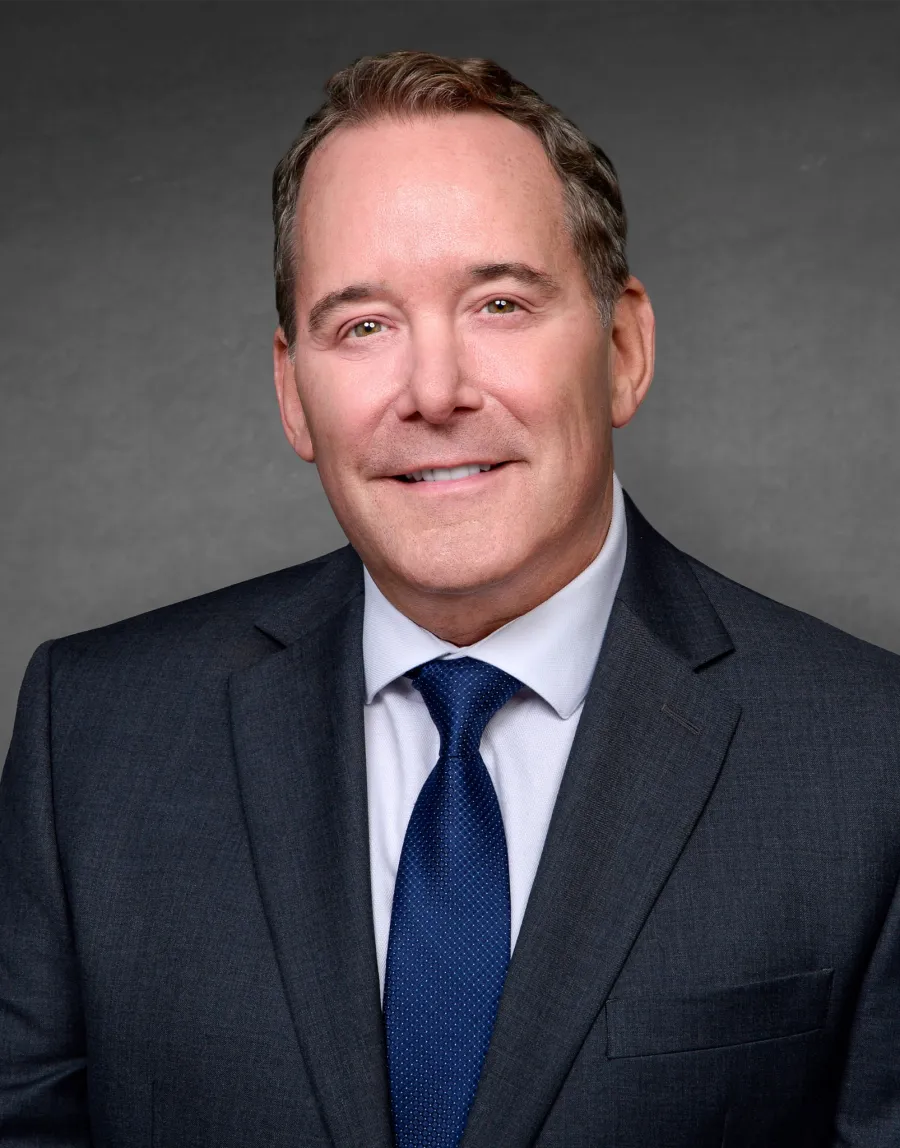
Meet Brian Butterfield, CISSP.
Brian is Microtech's Co-Founder and Chief Security Officer, with approximately 30 years in IT and cybersecurity.
He holds the Certified Information Systems Security Professional certification and personally leads every AI Risk Review.
His speaking engagements include The Florida Bar, The New York Academy of Medicine and the Florida Institute of CPAs.
CISSP certified · 30 years of experience · Personally leads your review