Ghost Tapping: What Professional Firms Should Know About This Tap-to-Pay Scam
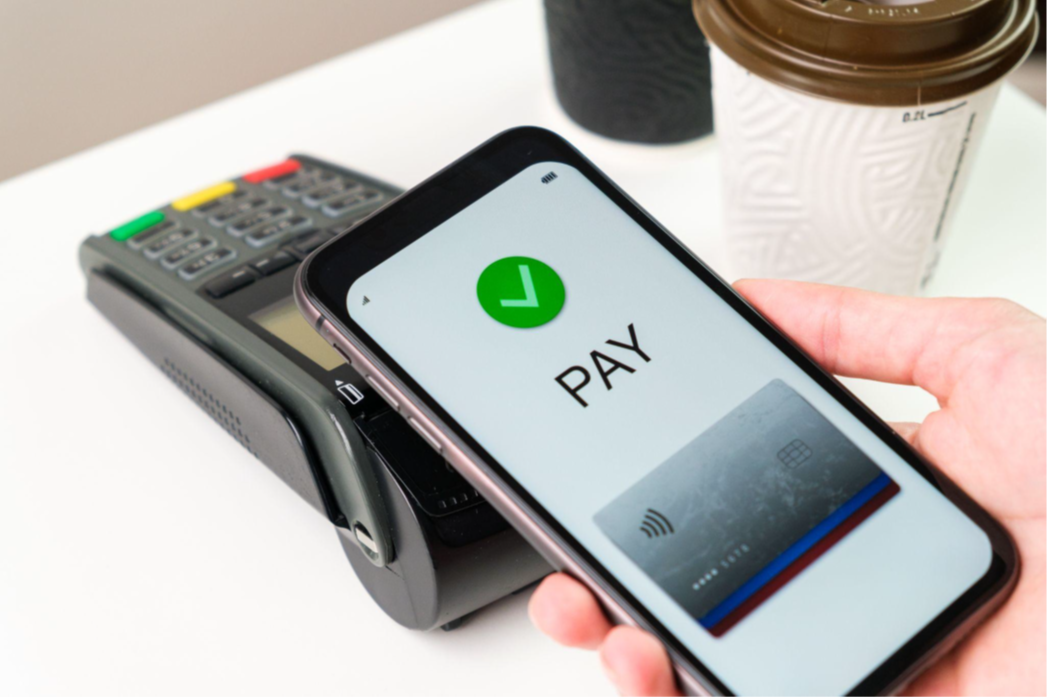
Tap-to-pay technology has become a normal part of everyday operations for CPA firms, law firms, dental practices, and medical offices. Clients appreciate the speed. Front desks appreciate reduced handling of cards and devices.
However, both the Better Business Bureau and major news
organizations are now reporting an emerging scam called ghost tapping. While
this scam primarily affects consumers in crowded public environments,
understanding it is valuable for any professional firm that accepts tap-to-pay
for co-pays, retainers, invoices, or service fees.
This article summarizes what ghost tapping is, how it works,
and what you can do to strengthen your internal processes.
Watch: Todd Cummings Explains the New Ghost Tapping Scam
in Short Video
Play Video: https://youtube.com/shorts/Sgj_rOcr87w?si=DHrDBHD_uH2Ndvg1
What Is Ghost Tapping?
According to recent BBB alerts and Newsweek coverage, ghost
tapping is a tap-to-pay scam that targets contactless cards and mobile wallets
using Near Field Communication (NFC) technology.
Tap-to-pay itself is safe when used properly, but scammers
exploit it in situations where they can get extremely close to a victim or rush
the payment process.
Common tactics reported by the BBB and local news
include:
● Getting close in public spaces Scammers with
portable NFC readers may attempt to trigger small tap-to-pay charges by
standing close to a victim's purse or wallet.
● Fake vendors or charity collectors Several reports
describe scammers insisting on tap-to-pay only, then charging significantly
more than the displayed amount.
● Rushing or distracting the payer Scammers rely on
victims not checking the merchant name or transaction amount before tapping.
Victims often do not notice the fraud immediately because
scammers may begin with small "test" charges.
Why This Matters for CPA Firms, Law Firms, and Dental Offices
Ghost tapping typically occurs in public settings such as
festivals, markets, or transit stations, not in professional offices. However,
it still affects your environment in three ways:
1. Clients may dispute legitimate payments if their card was compromised elsewhere.
This creates confusion for your billing or front-desk team.
2. Your staff may be exposed while traveling or attending conferences.
Employees carrying firm-issued cards or mobile wallets can
be victims of unauthorized charges.
3. It highlights the importance of consistent, transparent tap-to-pay procedures.
Even if fraud doesn't occur in your office, clients expect
your payment process to be clear, trustworthy, and verifiable.
Risks to Professional Practices
While ghost tapping itself targets consumers, firms may
experience:
● Chargebacks
● Administrative time spent reviewing disputed transactions
● Client uncertainty about payment safety
● Reputation challenges if clients confuse broader scams
with your internal procedures
● Slowdowns at the front desk during busy hours
Strengthening your payment workflow reduces stress for both
your team and your clients.
How to Reduce Risk in Your Office
1. Train front-desk and billing staff
Teams should understand:
● How tap-to-pay works
● Why verification matters
● What normal tap-to-pay behavior looks like
● That rushing or concealing a device is a red flag anywhere
2. Always "show and confirm" before a tap
This aligns with BBB guidance:
● Display the total clearly
● Say the amount out loud
● Ask the client to confirm before tapping
Small steps support clearer communication and fewer
disputes.
3. Enable payment-system alerts and logging
Ask your vendor or payment processor to ensure you have:
● Contactless transaction logs
● Declined tap alerts
● Duplicate attempt alerts
● Clear timestamp and merchant descriptors
This helps quickly resolve client questions.
4. Encourage clients to set up bank alerts
You are not giving financial advice, you are sharing widely
accepted best practices such as:
● Enabling instant transaction notifications
● Reviewing accounts regularly
● Reporting unfamiliar charges immediately
5. Include tap-to-pay in your annual security and compliance review
For CPA firms, law firms, and healthcare practices, payment
workflows touch:
● Cybersecurity
● Confidentiality
● HIPAA or GLBA requirements
● IRS Safeguards Rule
● State privacy laws
● Client trust
Regular review ensures your processes and technology remain
aligned with modern risks.
A Quick Note on "Ghost Touch" vs. "Ghost Tapping"
Some sources also mention ghost touch hacking, a
smartphone vulnerability where electromagnetic interference causes
unintentional touchscreen activity.
That is not the same as ghost tapping:
● Ghost tapping = unauthorized tap-to-pay charges
● Ghost touch = touchscreen activity without a user's
touch
Keeping those terms separate helps avoid confusion.
Final Thoughts
Ghost tapping is not an epidemic, but it is a documented
scam that is increasingly reported by the BBB and local news. Professional
service organizations rely on strong communication and consistent processes,
and tap-to-pay should be treated with the same clarity.
Microtech does not guarantee the prevention of fraud or
chargebacks, but we help clients strengthen the technology and workflows that
support secure, efficient, and trustworthy operations.
If your firm would like to evaluate your payment process,
train front-desk teams, or review your cybersecurity posture, our team is here
to help.
Sources
We paraphrased and summarized these; full articles are
linked for attribution.
Better Business Bureau (BBB)
"What is ghost tapping?
How to spot and avoid tap-to-pay scams"
https://www.bbb.org/article/scams/39182-bbb-scam-alert-what-is-ghost-tapping
Newsweek
"Ghost Tapping: What to Know About New Scam
Warning" by Hollie Silverman
https://www.newsweek.com/ghost-tapping-scam-warning-bbb-report-1958823
KY3 Local News
"Scammer uses tap-to-pay reader to
steal money in public place" https://www.ky3.com
City National Bank
"Ghost Touch Hacking and How to
Protect Yourself" - relevant for distinction https://www.cnb1901.com/blog
Disclaimer: Microtech IT & Cybersecurity Services
provides expert guidance in managed IT and cybersecurity. This article offers
general information only and is not legal, financial, or compliance advice. No
cybersecurity solution can guarantee complete prevention of fraud or cyber
incidents. Please consult appropriate professionals regarding your
organization's regulatory and security obligations.