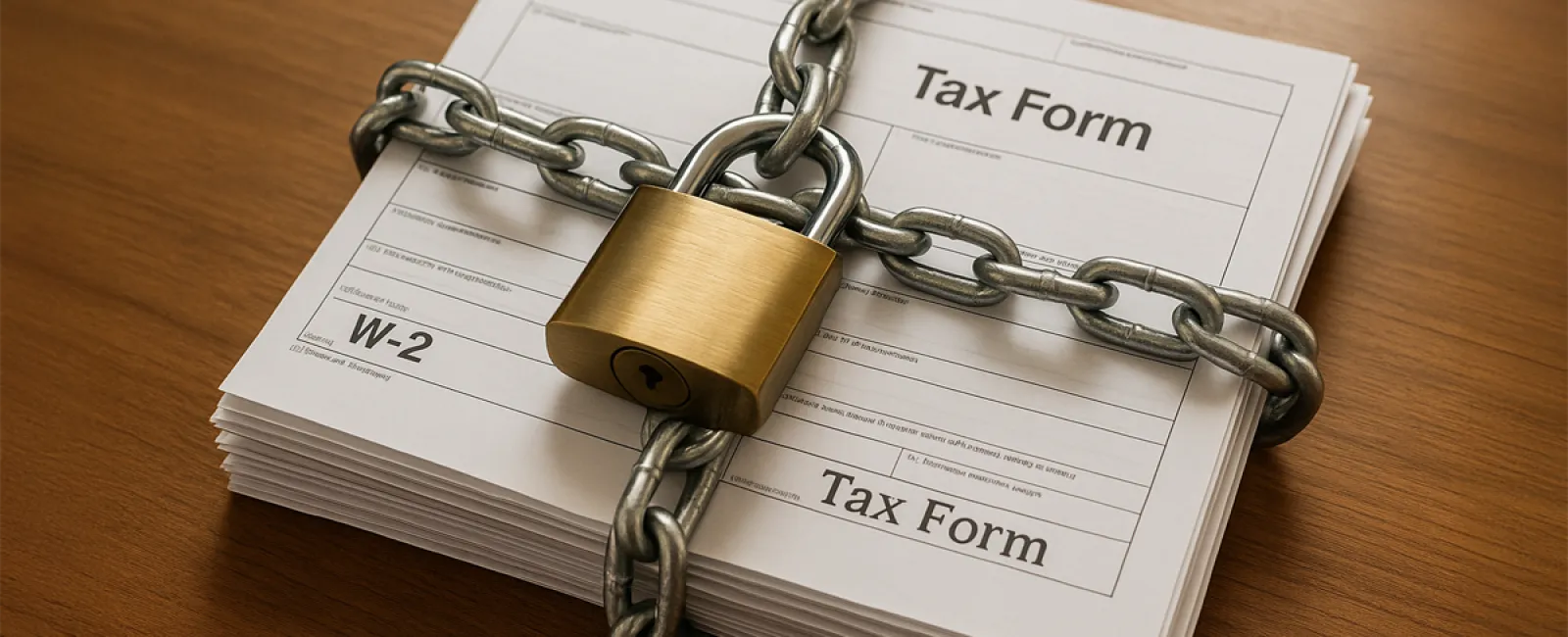
February marks the beginning of a hectic tax season. Your accountant's workload is increasing, your bookkeeper is gathering documents, and everyone's focused on W-2s, 1099s, and looming deadlines.
But what often slips under the radar isn't paperwork—it's the first wave of tax season scams.
One prevalent scam emerges well before April, targeting small businesses with a cunning mix of urgency and credibility. It might already be lurking in your team's inbox.
Understanding the W-2 Scam: The Mechanics
Here's how it unfolds:
Typically, someone responsible for payroll or HR in your company receives an email seemingly sent by the CEO, owner, or a senior executive.
The message is succinct and urgent:
"I need copies of all employee W-2s for a meeting with the accountant. Please send them immediately—I'm swamped today."
It appears genuine: the tone is appropriate, the urgency fitting for tax season, and the request plausible.
The employee complies and sends the W-2s.
In reality, the email is fake. A cybercriminal has spoofed the executive's address or exploited a look-alike domain.
Now, the scammer possesses sensitive employee information including:
• Full legal names
• Social Security numbers
• Home addresses
• Salary data
This data enables identity theft and allows fraudulent tax filings before your employees file theirs.
Consequences and Detection
Victims often discover the fraud when their tax return is rejected with a message like: "Return already filed for this Social Security number."
Fraudsters have already claimed their refunds, leaving employees to navigate IRS disputes, credit monitoring, identity theft protection, and extensive paperwork—all due to a deceptive email.
When this happens company-wide, it becomes more than a security breach—it shakes employee trust, creates human resource challenges, invites legal risks, and damages your reputation.
Why This Scam Is So Effective
This scam's success stems from several factors:
- The timing aligns perfectly with February's W-2 handling period, raising little suspicion.
- The request is legitimate-seeming, unlike typical ransom or gift card frauds.
- The urgency feels authentic in the busy workplace environment.
- The sender appears credible through research and spoofed details.
- Employees' instincts to assist leadership often override caution.
Practical Steps to Safeguard Your Company Before a Scam Hits
The silver lining? This scam is preventable with the right policies and culture—not just technology.
Implement a strict "no W-2s sent via email" policy. No exceptions. Sensitive payroll documents must stay off email attachments. Always say "no" to such requests via email—even if the sender claims to be the CEO.
Verify sensitive requests through a separate communication channel—whether a phone call, in-person conversation, or secure chat. Use contact information from your records, not from the suspicious email. This brief step can prevent months of remediation.
Conduct a brief tax-scam awareness meeting with payroll and HR staff immediately. Don't wait. Illustrate the spike in scams, typical signs, and your response procedures—raising awareness is an invaluable line of defense.
Secure payroll and HR systems with multi-factor authentication (MFA). MFA acts as a final barrier if credentials are compromised.
Promote a culture where verification is encouraged, not frowned upon. Staff who double-check requests—even from executives—should be recognized for diligence. Creating an environment where questioning is normal stops scammers in their tracks.
These five straightforward rules can be implemented this week and are powerful enough to block most attack attempts.
Looking Beyond: The Broader Tax Season Threat Landscape
The W-2 scam is just the beginning. Prepare for an onslaught of tax-themed cyber threats before April, including:
- Fraudulent IRS notices demanding immediate payments
- Phishing emails masked as tax software updates
- Spoofed communications from "your accountant" with embedded malware links
- Fake invoices simulating tax-related expenses
Cybercriminals exploit tax season distractions and the perceived normality of financial requests to maximize success.
Companies that navigate tax season securely aren't lucky—they have solid policies, staff training, and systems designed to detect and prevent scams.
Is Your Business Prepared?
If you've already established policies and trained your team to recognize threats, you're ahead of many small businesses.
If not, now is the perfect time to act—not after the first attack.
Schedule a free 15-minute Tax Season Security Check where we will assess:
• Payroll and HR system security including MFA
• Your W-2 handling and verification protocols
• Email safeguards against spoofing
• The critical policy adjustment most businesses overlook
If your setup already sounds robust, fantastic. Otherwise, consider sharing this resource with a business owner you know. It could prevent a costly breach.
Click here or give us a call at 954-327-1001 to schedule your free Consult.
Because tax season is stressful enough—don't let identity theft add to the burden.